Dallas County Court Records Search allows users to find official case information filed in local courts across the county. These records include civil, criminal, family, and probate matters created during court proceedings. Many people search Dallas County court records to check case status, review filings, or confirm legal history. Public court records support transparency and help users review facts tied to people or cases. This page explains how a Dallas County court records search works in a clear way.
Dallas County Court Records Search tools help users look up legal records online using simple methods. Visitors can search by name, case number, or apply filters to narrow results. People often use a court case lookup for background checks, research, or personal review. Online case search options save time and reduce confusion during record checks. This page shows how to search Dallas County court records with confidence and clarity.
What Are Dallas County Court Records?
Dallas County court records are official court documents that record legal cases handled by courts in Dallas County, Texas. These judicial case files show what happened in a case, from filing to final outcome. Dallas County Court records refer to a wide range of judicial records created during court proceedings. Courts produce these records to document actions, decisions, and filings tied to each case. They serve as permanent official court data and reflect the legal history of disputes handled in the county.
Common examples include:
- Legal filings such as petitions, motions, and responses
- Court orders and judgments
- Hearing schedules and docket entries
- Verdicts, decrees, and case outcomes
Types of Dallas County Court Records
Dallas County courts handle several case categories, and each produces different court documents.
- Civil records cover disputes between parties, including contracts, property, and small claims
- Criminal records document charges, court hearings, plea filings, and sentencing actions
- Family records involve divorce cases, child custody matters, and support filings
- Probate records relate to wills, estates, guardianship cases, and inheritance matters
Why Dallas County Court Records Are Public
Courts maintain public court records to support transparency and accountability. Open judicial case files allow the public to review how laws are applied and how cases are resolved. Public access promotes trust in the legal system and helps protect legal rights. Some records may have limits due to privacy laws, sealed orders, or juvenile cases. Even then, the case presence often remains visible.
How Court Records Are Created and Stored
Court records begin when a case is filed with the clerk’s office. Clerks assign case numbers and store documents as part of the official court data system. Modern courts store records digitally, with older files preserved in physical archives.
How to Search Dallas County Court Records Online
To search Dallas County court records online, use the official public search portal from Dallas County. This system lets you perform an online court search for many case types including civil, criminal, probate, and county cases.
Official Search Site URL:
https://www.dallascounty.org/services/record-search/
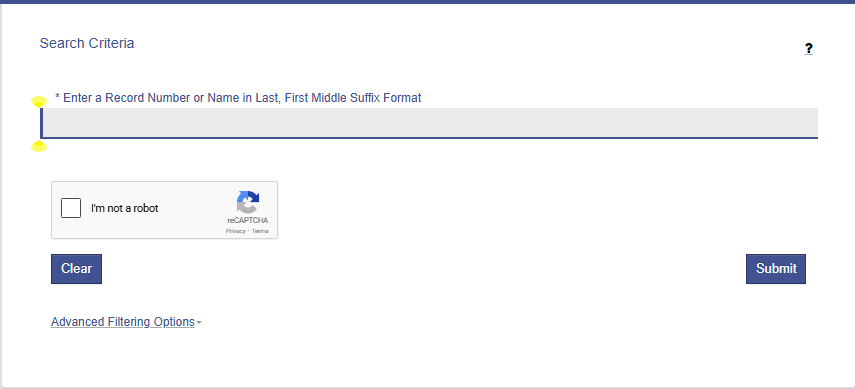
Open the Official Dallas County Court Record Search URL
- Go to https://www.dallascounty.org/services/record-search/ in your web browser.
- You will see a list of searchable records for various county records types.
- Look for links specifically under Dallas County and District Court Case Information.
Choose Your Search Category
Depending on what you want to find, pick one of the available options:
- Civil District Courts – lawsuits, disputes, contract cases
- County and Probate Courts – wills, estates, guardianships
- Criminal Courts – felony and misdemeanor cases
Select How You Want to Search
The portal typically offers two main ways to search Dallas County court records:
Name-Based Search
- Enter the full legal name of the person involved in the case.
- Spell names carefully; misspellings can limit results.
- If the name is common, include a middle initial for better filtering.
Case Number Search
- Enter the exact case number if you have it.
- This method finds the exact record quickly and directly.
Enter Required Information
Before hitting “Search,” prepare:
- First and last name (exact spelling) for name searches
- Case number for precise lookup
- Optional filters like case type or filing year
- Some tools let you refine by court division or case status
Review Search Results
Once you run your search:
You’ll see a list of matching cases on screen.
Click any case to view available case details and documents (if published).
For many cases filed after 2008, digital court documents are available online.
If nothing appears:
- Try adjusting spelling or search type
- Expand date range if available
- Some sensitive records (like certain family court filings) may not appear online due to privacy rules.
Download or Print Records
Depending on the tool’s configuration:
- You can often view docket sheets and case summaries.
- Full documents may be visible or available for purchase, depending on court rules.
- Some documents require certification or a fee to download.
Search Dallas County Court Records by Name
A name search lets users search cases using a person’s name across Dallas County courts. This method helps find court records by individual when a case number is unknown.
Name search Dallas County court records tools scan judicial case files using party names listed at filing. Courts index these records under plaintiffs, defendants, respondents, or other involved parties. This option supports broad individual case search needs, such as background research or case status checks.
Steps to How a Name Search Works
A party name search follows a simple process within the court’s online system.
- Open the official court record search page.
- Select the name-based search option.
- Enter the person’s full legal name as listed on court filings.
- Submit the search to view matching case records.
- Review results and select a case for detailed information.
Each result typically shows case number, filing date, court type, and party roles. Selecting a case opens the related court documents and docket details when available.
Issues With Name Searches
Name searches may return many results, mainly when names are common. Courts record names exactly as filed, which affects search accuracy.
Frequent issues include:
- Multiple people sharing the same name
- Missing middle names or initials
- Typographical errors in filings
- Name changes after marriage or legal action
Refine Name Search Results
Refinement improves accuracy during a plaintiff records or defendant lookup search.
Helpful refinement methods include:
- Enter full first and last names
- Add a middle initial when known
- Use exact spelling from legal documents
- Narrow by filing year or court type
Name Variations and Initials
Courts store names based on submitted legal filings. A single person may appear under multiple name formats.
Examples include:
- Robert J. Smith / Robert Smith
- Maria Lopez-Garcia / Maria Lopez
- James Allen Brown / James A. Brown
Search Dallas County Court Records by Case Number
A Dallas County case number search uses a unique identifier assigned to every court case. This method delivers the most precise results and leads directly to the correct judicial case file.
A case number, sometimes called a filing number or case ID, acts as a tracking code within the court system. Courts assign it at the time of filing, and it stays linked to that case for its entire lifecycle. Using this number removes guesswork and limits unrelated results.
What a Case Number Means
A case number is a structured code created by the court clerk. It often includes numbers and letters that reflect the court type, filing year, and sequence. This identifier connects all related court documents, including motions, orders, and hearing entries. Clerks, judges, and attorneys rely on it to manage case activity and maintain accurate records. Each case number points to one specific matter, which makes it the strongest search input available.
Where to Find a Dallas County Case Number
Case numbers appear on many official sources tied to a court matter.
Common places include:
- Court notices or hearing paperwork
- Previous case summaries or docket sheets
- Legal correspondence from attorneys
- Receipts or confirmation pages after filing
Why Case Number Searches Are Most Accurate
A docket number lookup pulls a single, exact record from the database. The system bypasses name matching and goes straight to the correct case.
Benefits of a case ID search include:
- No confusion with similar names
- Faster results with fewer steps
- Direct access to case history and filings
Using Record Filters to Narrow Search Results
Dallas County records filters allow users to refine search results and quickly locate the exact case they need. By applying specific criteria, users can reduce irrelevant results and focus on the most relevant judicial case files.
Court Type Filter
Selecting a court type helps users refine search results by the division handling the case. Dallas County courts include civil, criminal, family, probate, and appellate courts. Choosing the correct court ensures only relevant cases appear in your search. For example, filtering for civil courts excludes criminal or probate cases, saving time and improving accuracy.
Case Status Filter
The case status filter allows users to narrow results by whether a case is active, closed, or pending. This is especially useful when searching by name, as common names may produce multiple entries. Limiting the search to active cases highlights ongoing proceedings, while closed cases show completed matters. Using this filter helps quickly locate the most current or relevant official court documents.
Filing Date Filter
A date range or filing date filter is useful for focusing on cases filed within a specific period. Users can select a year or a range of years to narrow results. This is particularly helpful when trying to locate recent filings or when researching historical case trends. By applying a date range, users refine results and reduce unrelated entries.
Party Role Filter
The party role filter allows searches to focus on specific individuals within a case, such as a plaintiff, defendant, petitioner, or respondent. Combining this with a name search helps ensure that the returned results match the correct individual and the appropriate role in the case. This approach makes individual case searches more precise.
Effective Use
- Combine multiple filters to target results more accurately.
- Start with court type and case status, then refine using filing date or party role.
- Adjust filters if results are too broad or narrow.
Official vs Third-Party Dallas County Court Record Search
A Dallas County court records lookup can be performed using either official court systems or third-party platforms. Each approach has advantages, but understanding the differences helps users make informed decisions while accessing judicial case files.
Official Dallas County Court Systems
The primary source for Dallas County court records is the official court website and its public access portals. These systems provide verified case information, including civil, criminal, family, and probate cases. Users can perform searches by name, case number, or filing date, and access official court documents, docket entries, and hearing schedules.
Official portals are maintained directly by court clerks, ensuring that the information is up-to-date and accurate. This transparency helps users rely on data for research, legal reference, or personal review without needing third-party verification: https://www.dallascounty.org/services/record-search
Limitations of Official Portals
While official systems provide reliable information, they may have some limitations:
- Older records may not be digitized or fully searchable.
- Certain case types, like juvenile or sealed family matters, are restricted from public view.
- Users must navigate multiple portals depending on court type (civil, criminal, probate).
- Downloading or viewing full documents sometimes requires registration or a small fee.
When Third-Party Tools Help
Third-party platforms aggregate court records from multiple sources, offering a single search interface. These platforms can simplify research by combining results from several courts or counties, and sometimes provide enhanced filtering options or historical records. However, third-party services may not always include the latest filings or official court updates, so they are best used as a supplementary tool rather than a primary source.
Data Accuracy Considerations
- Official portals guarantee verified court data because they source information directly from the clerk’s office. Third-party tools may have slight delays or missing records due to reliance on secondary data sources.
- Users seeking reliable results should prioritize official court systems for any legal or official purpose. Using third-party tools for general research or initial screening can help identify potential cases before confirming details with the official portal.
Types of Court Records Available in Dallas County
A Dallas County records lookup provides access to a variety of judicial documents across multiple court divisions. Each type of record reflects different legal proceedings and contains official court data useful for research, verification, or personal review.
Civil Court Records
Civil court records document disputes between individuals, organizations, or businesses. These may include contract disputes, property claims, personal injury lawsuits, and small claims. Each case record contains pleadings, motions, court orders, and final judgments.
Key details found in civil records include:
- Names of plaintiffs and defendants
- Case numbers and filing dates
- Court orders, motions, and judgments
- Ongoing or resolved case status
Criminal Court Records
Criminal court records capture information about offenses ranging from misdemeanors to felonies. These records include arrest reports, indictments, court hearings, plea agreements, and sentencing information.
Criminal case records typically show:
- Defendant and victim names
- Charges and offense descriptions
- Hearing schedules and trial outcomes
- Sentencing or probation information
Family & Divorce Records
Family court records cover cases involving marital disputes, child custody, support matters, and adoption proceedings.
Common elements in family court records include:
- Divorce petitions and decrees
- Custody and visitation arrangements
- Child support and spousal support orders
- Protective or restraining orders
Probate & Estate Records
Probate cases involve the administration of estates, wills, and guardianships. Records include estate inventories, petitions for probate, court orders, and distribution documents.
Information typically found in probate records:
- Executor or administrator appointments
- Beneficiary and heir details
- Estate inventories and asset distribution
- Guardianship or conservatorship orders
Traffic & Municipal Court Cases
Traffic and municipal court records document violations such as moving infractions, parking tickets, or city ordinance breaches.
Traffic case records often include:
- Violation details and docket numbers
- Filing dates and hearing schedules
- Fine amounts and payment status
- Court resolutions or appeal outcomes
Are Dallas County Court Records Public? Access & Privacy Laws
Yes, most public Dallas County court records are accessible under Texas law, allowing citizens to review judicial case files for civil, criminal, family, probate, and traffic matters. The open records law ensures transparency and accountability in the legal system while protecting sensitive information.
Texas Public Records Law
Texas law classifies court records as generally public unless specifically restricted. The Texas Government Code provides citizens with the right to inspect and obtain copies of public records, including court filings, hearings, and judgments. This legal framework supports public access rights while balancing privacy protections for individuals involved in certain cases.
What Records Are Publicly Accessible
Most official court documents are available to the public, including:
- Civil case filings and judgments
- Criminal case dockets and sentencing information
- Probate filings and estate inventories
- Family court records, except for sensitive details
- Traffic and municipal court cases
Public access allows attorneys, researchers, and members of the community to review judicial case files and track legal proceedings efficiently. Users can perform searches online via the Dallas County public access portals or request copies directly from court clerk offices.
Records That May Be Restricted
Some court records are sealed or restricted due to privacy concerns or legal requirements. Examples include:
- Juvenile case records
- Adoption or guardianship proceedings involving minors
- Certain family court matters with protective orders
- Cases under a court seal or sensitive investigation
How Often Are Dallas County Court Records Updated?
Dallas County court records update regularly, but the frequency varies depending on the type of case and court division. Understanding how often Dallas County court records update helps users set realistic expectations and avoid confusion when searching online.
Record Refresh Timing
Most digital court records are refreshed daily or weekly. New filings, hearings, and case outcomes are entered into the official system by court clerks. Criminal and civil case dockets typically reflect updates within 24–48 hours after a filing, while older or archived cases may take longer to appear online.
Factors Affecting Updates
Several factors influence the timing of updates:
- Court type: District, probate, family, and municipal courts may follow different schedules.
- Document processing: Some filings require verification before appearing in the online portal.
- Sealed or restricted cases: Updates for sensitive cases may be delayed or limited.
Realistic Expectations
Users performing a Dallas County court records update search should anticipate slight delays in online records. Real-time updates are common for ongoing cases, but finalized documents, court orders, or historical records may take longer to post. Checking back periodically or combining online searches with official clerk inquiries ensures users access the most accurate judicial case files. Understanding these timelines reduces frustration and helps users plan searches effectively.
Dallas County Court Locations & Jurisdiction
Dallas County courts handle a wide range of legal matters, and knowing the right court is essential when performing a Dallas County court records search. Different courts manage different types of cases, and each has a specific location and jurisdiction.
Types of Courts in Dallas County
Dallas County hosts several court divisions, including:
- District Courts: Handle major civil disputes, felony criminal cases, family law matters, and probate cases.
- County Courts at Law: Manage misdemeanor criminal cases, civil cases involving smaller amounts, and certain probate matters.
- Municipal and Traffic Courts: Address city ordinance violations, traffic tickets, and minor offenses.
- Justice of the Peace Courts: Deal with small claims, landlord-tenant disputes, and minor criminal offenses.
Key Court Locations
Most major Dallas County courts are located at the George L. Allen Sr. Courts Building, 600 Commerce Street, Dallas, TX 75202.
Other important locations include:
- Frank Crowley Courts Building – 133 N. Riverfront Blvd, Dallas, TX 75207 (Civil and Criminal Divisions)
- Records Building / Clerk’s Office – 509 Main Street, Dallas, TX 75202 (Records access and filings)
- Municipal Courts – Various city locations across Dallas County for traffic and city ordinance cases
- Justice of the Peace Courts – Multiple precinct locations throughout the county for small claims and minor criminal matters
Jurisdiction Differences
Jurisdiction refers to the authority of a court to hear and decide a case. In Dallas County:
- District Courts have broad jurisdiction over felony cases, high-value civil suits, and family law matters.
- County Courts at Law focus on mid-level civil and criminal cases, probate filings, and appeals from lower courts.
- Municipal and Justice of the Peace Courts have limited jurisdiction over minor offenses, traffic violations, and small civil claims.
Frequently Asked Questions
Here are some of the most common Dallas County court records search FAQs to help users navigate court records efficiently and confidently. Each answer is concise, clear, and designed to provide practical guidance.
Are Dallas County court records free to search?
Yes, basic access to Dallas County court records through official online portals is free. Users can search case summaries, party names, and hearing schedules without paying. However, obtaining certified copies or full court documents may involve a small fee, depending on the type of record and the court division.
Can anyone access criminal court records?
Most criminal court records are publicly available, but certain cases may be restricted. Juvenile cases, sealed proceedings, or sensitive investigations are not accessible online to protect privacy and safety. Adult criminal case summaries, dockets, and sentencing information are generally available for public review.
How far back do records go?
The availability of court records depends on the court type and filing year. Many Dallas County courts provide online records for cases filed in the last 10–15 years. Older records may exist only in physical archives at the courthouse and can be requested from the clerk’s office. Probate and district court records may have longer historical coverage, but access could require a formal request.
Are online records official?
Yes, online records hosted on the official Dallas County court websites are considered authentic and sourced directly from the court clerk’s office. They provide accurate case information, including filings, docket entries, and court orders. Third-party websites may offer search tools, but their data may not always reflect real-time updates or official filings.
Why is my case missing?
Several reasons can explain why a case does not appear in an online search:
- The case is recent and has not been entered into the digital system yet.
- The case is sealed or restricted due to privacy laws.
- The name, case number, or filing details were entered incorrectly.
- The case falls under a court division not included in the online portal.